
Transitioning from Middle School to High School: What Teens Wish Adults Understood (and How Online Teen Therapy Supports the Adjustment)
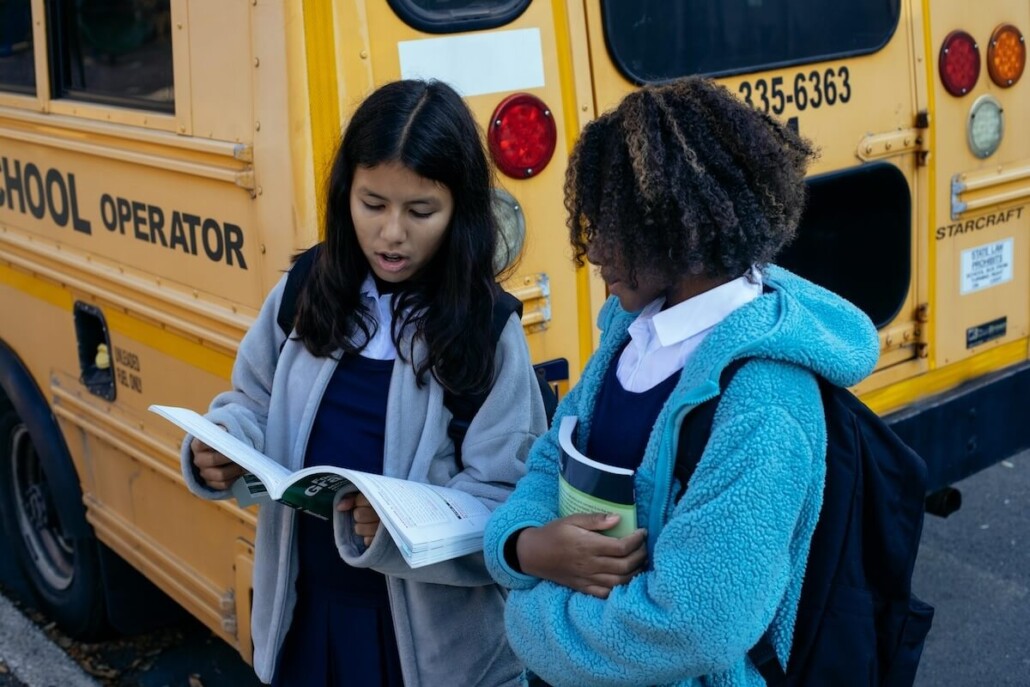
High school is supposed to be exciting. New campus, more freedom, a chance to reinvent yourself. But if you’re mostly feeling anxious, overwhelmed, or like everyone else got a handbook you didn’t, you’re not alone. Adults keep saying “enjoy these years” or “it’s not that different from middle school,” but here’s the truth: it feels massively different. The cafeteria is bigger and more intimidating. Friend groups from middle school are splitting up. Teachers expect you to figure things out on your own. And suddenly everyone’s asking what you want to do with your life when you’re barely 14. Online therapy for teenagers in Evanston, IL can help you navigate this transition without feeling like you’re drowning.
The transition from middle school to high school is legitimately hard. New social dynamics, higher academic expectations, and more pressure to figure out who you are. all while everyone expects you to just handle it. Let’s talk about what adults don’t always get about this transition. We’ll also cover how an online therapist for teenagers in Evanston, IL can actually help you get through it.
 What Actually Changes Going from Middle School to High School
 What Actually Changes Going from Middle School to High School
Here’s what adults don’t always tell you: high school isn’t just a bigger building with harder classes. The entire landscape changes. Friend groups from middle school often split up or shift. Everyone’s trying to figure out where they fit, and cliques feel more defined and harder to break into. The pressure to “find your people” feels urgent, like if you don’t land somewhere by October, you’re stuck floating for the next four years.
Academically, the pressure intensifies in ways middle school didn’t prepare you for. Grades suddenly “count” for college, even though you barely know what you want for lunch, let alone what you want to study in four years. Teachers expect more independence. No hand-holding, no reminders about missing assignments. The workload increases, but time management skills haven’t magically appeared over summer break. Stakes feel higher even though you’re still figuring things out.
Then There’s the Identity Pressure.
In middle school, you were still kind of a kid. High school hits and suddenly you’re expected to know who you are, what you’re interested in, what direction you’re headed. Extracurriculars stop being just fun. They become resume-building. The casual clubs and activities you joined because they sounded interesting? Now they need to “look good” for college applications. The pressure shifts from exploring to performing.
And here’s the kicker: you get more independence but less guidance. More freedom, more responsibility, and adults assume you know how to handle it. But nobody actually taught you how. You’re just supposed to figure it out while also navigating everything else.
Here’s what matters: high school isn’t just “middle school but harder.” It’s a completely different landscape. And pretending it’s not is part of what makes the transition so isolating.
What Teens Actually Wish Their Parents Understood About High School
If you’re a parent reading this, here’s what your teen might not be saying out loud but wishes you understood.
First, Stop Telling Them These Are the Best Years of Their Life.
That’s a lot of pressure when they’re already stressed. What if it doesn’t feel that way? Does that mean something’s wrong with them? It dismisses how hard this actually is.
Second, They’re Not Just Being Dramatic
Social rejection feels physically painful at this age. Their brains are wired to care intensely about peer connection. It’s not shallow or stupid. Academic pressure isn’t just about grades. It feels like their entire future depends on every test, every assignment, every decision. The worry about fitting in isn’t trivial. For teens, it feels like survival.
Third, They Don’t Know How to Ask for Help
Asking feels like admitting they can’t handle it. They don’t want to disappoint anyone or look weak. But struggling in silence is exhausting. They’re carrying more than you might realize, and they need permission to say it’s hard without feeling like they’re failing.
And Finally, They’re Scared They’re Already Behind
Everyone else seems to have it figured out. They feel like they should know what they want to be, who they want to be. But they’re 14 or 15, and that’s a lot to expect from anyone.
Here’s what matters: these feelings are normal. And an online therapist for teenagers actually gets it. They’re not going to dismiss these concerns as “just teen stuff.” They understand that what teens are dealing with is real and hard.
 Why the Transition to High School Affects Teen Mental Health
 Why the Transition to High School Affects Teen Mental Health
Let’s talk about why this year feels so heavy. Anxiety spikes during transitions because your brain is trying to navigate unfamiliar territory, and that activates stress responses. Social anxiety intensifies when everything feels high-stakes. Walking into the cafeteria, speaking up in class, figuring out where you fit. All of it triggers that fight-or-flight response. Performance anxiety kicks in with academic pressure, and suddenly every test feels like it determines your entire future.
Depression Doesn’t Always Look Like You’d Expect
Depression can show up during this transition too, and it doesn’t always look like what people expect. It might look like losing interest in things you used to enjoy. Feeling disconnected from friends or family even when you’re around them. Everything feeling harder than it should, like you’re moving through sludge while everyone else moves normally. You’re not sad exactly. Just… empty.
Identity Confusion and Constant Comparison
Identity confusion is exhausting. You’re trying to figure out who you are while also trying to fit in. That means you’re often performing a version of yourself, trying on different identities to see what sticks. After a while, you’re not sure what’s authentic anymore. You’re just tired of pretending.
And comparison is constant. Social media makes it worse. Everyone’s posting their highlight reels while you’re living your behind-the-scenes reality. It feels like you’re the only one struggling, the only one who doesn’t have it together. Imposter syndrome sets in: “Everyone belongs here except me.”
Here’s what you need to know: online therapy for teenagers can help you process these feelings and build tools to manage them. Not just “push through and hope it gets easier” but actual strategies that address what’s making this so hard.
How Online Therapy for Teenagers Helps with High School Adjustment
Therapy isn’t just for people in crisis. It’s for anyone navigating something hard, and high school transition definitely qualifies. Here’s what online therapy for teenagers actually offers.
A Space to Actually Talk About What’s Hard
It gives you a space to talk about what’s hard without judgment. No one’s going to dismiss your feelings as “just teen stuff” or tell you everyone goes through this so you should be fine. You can say the things you can’t say to parents or friends. The stuff you’re worried makes you sound weak or dramatic or broken. In therapy, those things get heard and validated.
You also get tools for managing anxiety and stress. How to handle social anxiety when walking into the cafeteria feels terrifying. Managing academic pressure without burning out or staying up until 2 a.m. every night. Building confidence when everything feels new and uncertain. These aren’t generic tips. They’re strategies tailored to what’s actually hard for you.
Help Navigating Social Dynamics and Identity Questions
Therapy helps you navigate social dynamics too. What to do when friend groups shift and you’re not sure where you fit anymore. How to set boundaries without feeling guilty or mean. Dealing with exclusion, bullying, or just feeling invisible. These situations are complicated, and having someone help you think through them makes a difference.
And therapy supports you through identity questions. Figuring out who you are separate from who others expect you to be. Exploring interests without the pressure to have your entire future mapped out. Building a sense of self that feels authentic instead of performed.
Why Online Therapy for Teens Works Better Than In-Person
Here’s why online therapy makes sense for teens specifically. It’s accessible. You don’t need to convince a parent to drive you or try to fit appointments into an already packed schedule. You can do it from home, between homework and dinner, without adding another thing to your day. It’s also comfortable. Talking from your room, a place that feels safe and familiar, can make opening up easier. You’re not sitting in an unfamiliar office under fluorescent lights. You’re in your space, where vulnerability doesn’t feel as scary. And it’s flexible. It fits around school, sports, work, whatever’s already on your plate. Missing practice or staying late after school? Not necessary. You’re getting support in a way that actually works with your life.
Therapy Isn’t About Fixing You
For some teens, talking to someone through a screen feels easier than sitting face-to-face in an office. There’s a little bit of distance that takes the edge off. An online therapist for teenagers in Evanston, IL understands the specific pressures of high school in this area and can help you build strategies that actually work for your life. Not generic advice that sounds good but doesn’t translate to real situations. Actual tools that fit. Here’s what matters: therapy isn’t about “fixing” you. Nothing’s broken. It’s about giving you support and tools during a genuinely hard transition so you don’t have to white-knuckle your way through freshman year alone.
How Parents Can Support Teens Transitioning to High School
If you’re a parent reading this, here’s how you can actually help. Stop minimizing their experience. “It’s not that bad” or “everyone goes through this” doesn’t help. It makes them feel like their struggle isn’t valid or that something’s wrong with them for finding it hard. Instead, validate: “This is a big change, and it makes sense you’re feeling overwhelmed.”
- Ask open-ended questions. Not “How was school?” which gets a one-word answer. Try “What was the hardest part of today?” or “What’s been on your mind lately?” Then listen without immediately trying to fix it or give advice. Sometimes they just need to be heard.
- Normalize getting support. Suggest therapy for teenagers as a tool, not a punishment or last resort. Frame it as: “Lots of people talk to someone when they’re navigating something new. It doesn’t mean something’s wrong. It just means you’re smart enough to get support.” Online therapy for teenagers can be framed as a practical resource, like a tutor for mental health.
- And respect their need for independence while also being present. They need space to figure things out on their own. But they also need to know you’re there if they need you. It’s a hard balance, but it matters.
Here’s what matters: supporting a teen through this transition means being present without hovering. It also means recognizing when professional support might help them navigate what you can’t fix on your own.
 What Teens Can Do Right Now to Ease the High School Transition
 What Teens Can Do Right Now to Ease the High School Transition
If you’re not ready for therapy for teenagers yet or you’re waiting to get started, here are some small things you can try right now.
- Find one person. You don’t need a huge friend group or to be popular. One solid person who gets you makes a massive difference. That’s enough.
- Give yourself permission to be new at this. Everyone’s figuring it out, even if they look confident. The people who seem like they have it all together? They’re probably faking it too. You’re allowed to not know what you’re doing yet.
- Don’t compare your beginning to someone else’s middle. Upperclassmen have had years to adjust, find their people, figure out the system. You’ve had weeks. Of course they look more comfortable. That doesn’t mean you’re behind.
- Join one thing. A club, a sport, an activity. It gives you built-in community and a reason to show up somewhere that’s not just class. You don’t have to join five things. Just one.
- And talk to someone. A friend, a parent, a school counselor, or a therapist for teenagers. Struggling in silence makes everything harder. You don’t have to carry this alone.
These aren’t fixes. But they help you get through while you’re adjusting to everything being new.
Find Support Through Online Therapy for Teenagers in Evanston, IL
If the transition to high school is feeling heavier than you expected, socially, academically, or just emotionally, support is available. Online therapy for teenagers in Evanston, IL can help you process what’s hard and build tools to manage it without the pressure to just “get over it” or figure it out alone.
At Evanston Counseling, our therapists understand what high school transition actually feels like. We know it’s not just about grades or making friends. It’s about navigating a completely new environment while also figuring out who you are. We get it. Here’s how to get started:
- Reach out to schedule a free consultation
- Connect with an online therapist for teenagers in Evanston, IL who understands what you’re dealing with
- Start building confidence and tools to navigate high school on your terms
Other Therapy Services at Evanston Counseling
At Evanston Counseling, we understand that high school transition often connects to bigger struggles: anxiety, social pressure, identity questions, family dynamics, and the overwhelming feeling that everyone else has it figured out except you. That’s why we offer more than just online therapy for teenagers in Evanston, IL. We provide support for teensnavigating high school, college students, young adults, and parents trying to support their kids through these transitions. Our therapists use a range of approaches—including Cognitive Behavioral Therapy, emotionally focused therapy, hypnotherapy, and pet-assisted therapy—because support should feel like it actually fits you. Whether you’re navigating freshman year or other challenges that come with being a teen, we’re here. Wherever you are in your journey, we’ll meet you there.
About the Author
Catherine Boyce, Ph.D. is the Executive Director and founder of Evanston Counseling, where she has been supporting clients through life’s challenges for over 27 years. Catherine specializes in working with women navigating life transitions, relationships, motherhood, and grief, and she is passionate about helping teen girls and college-aged women manage the unique pressures of academic life and identity formation. At Evanston Counseling, Catherine has built a team of therapists who specialize in working with teens, college students, and young adults dealing with anxiety, social pressure, and the demands of navigating major transitions like starting high school or college.
Her practice is grounded in the belief that self-awareness and self-acceptance are the foundation for meaningful change—and that asking for help is one of the strongest things you can do. Catherine holds a Master’s in Social Work from Loyola University and a Ph.D. in Clinical Social Work from the University of Chicago. Outside of her practice, she values family, friendship, and community, and loves spending time with the people and pets she cares about.